Asian Impact Management Review is an affiliate of Asian Institute for Impact Measurement and Management
Magazine
Integrating impact management: “It’s Too Difficult” – A selective tolerance for complexity
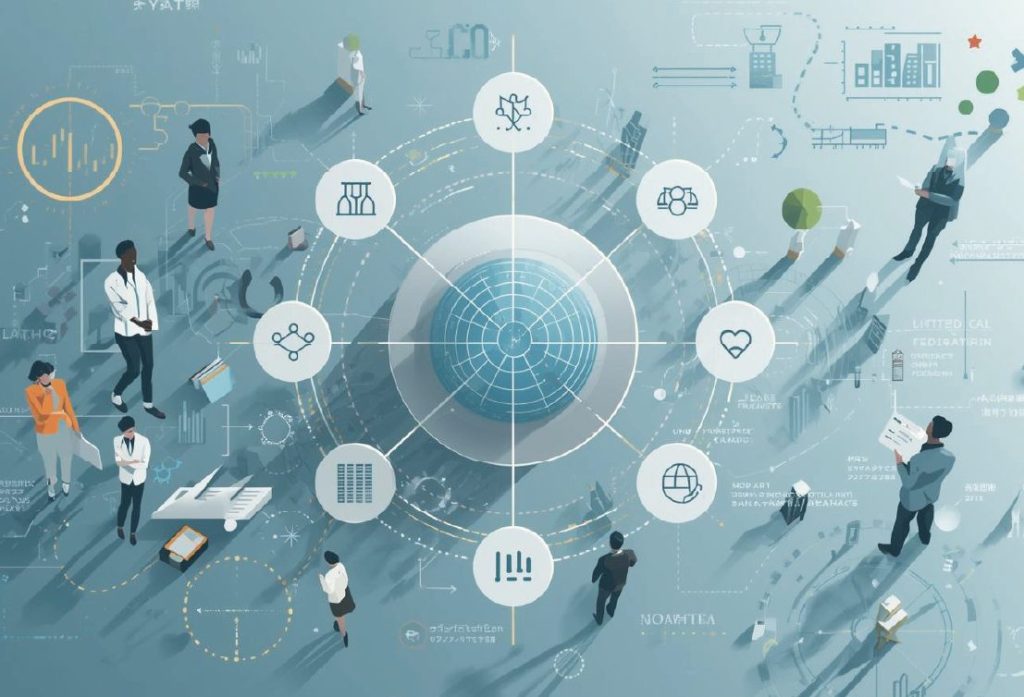
Discussions with organizations about the need to integrate impact management and sustainable development are all too often met with responses that focus on perceived complexity and an uncertainty about the value it provides. Such challenges leave many organizations uncertain about how to overcome the difficulties even if they have stated their commitments to doing so.
When organizations picture a fully mature, end-state impact management system that effectively integrates management of non-financial impacts into decision-making and operations, the scale of change required to bridge the distance from their current position could indeed seem daunting. However, this is not the first time there has been an imperative to transform key aspects of how organizations operate, and organizations have successfully navigated such challenges.
Previously, when faced with requirements to develop robust systems to account for financial value, manage quality, or embed health and safety, early reactions would similarly be characterized by concern over cost, complexity, and disruption. Yet now, it would be difficult to imagine a world without these systems.
The lesson we can learn from these earlier developments is that complexity is affected by how transformation is framed: when viewed as a distant destination rather than as a managed process of development, learning, and continual improvement, the resistance to change will likely be significantly increased.
Unlock All Articles
Continue Reading Your Article with an AIMR Subscription
Subscribe Now
Already have an account?

